Sculpt and Strengthen: Your Ultimate Guide to a Bigger & Firmer Butt
The desire to have strong, round glutes has transformed from a passing trend into a powerful movement embraced by women worldwide. For many, having a bigger, firmer butt is about much more than just appearance—it's about building a solid foundation for overall fitness, improving posture, enhancing athletic performance, and boosting self-confidence. If you're ready to unlock your glute potential, you've come to the right place. This comprehensive guide will provide you with proven exercises, expert knowledge, and practical advice to help you build the lovely, round, strong, and firm glutes you've always wanted.
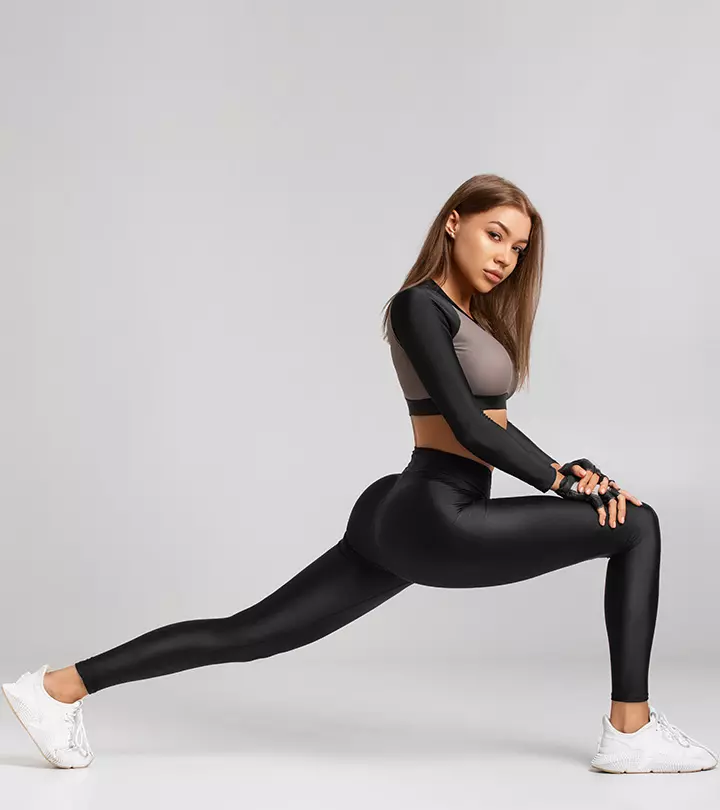
Understanding Your Glute Muscles
Before diving into exercises, it's essential to understand the anatomy of your glutes. The gluteal muscles consist of three main parts:
Gluteus Maximus: The largest muscle in your body, responsible for hip extension and outward rotation. This muscle gives your butt its size and shape.
Gluteus Medius: Located on the outer surface of the pelvis, this muscle helps with hip abduction and stabilization during movement.
Gluteus Minimums: The smallest of the three, lying beneath the Medius, it also aids in hip abduction and rotation.
Understanding these muscles helps you target them effectively during workouts, ensuring balanced growth and definition
Why Strong Glutes Matter
Strong glutes are not just about aesthetics—they play a crucial role in your overall health:
Improved Posture: Strong glutes support your pelvis and lower back, reducing the risk of slouching and back pain.
Enhanced Athletic Performance: Whether you're running, jumping, or lifting, powerful glutes generate explosive strength.
Injury Prevention: Well-developed glutes stabilize your knees and hips, protecting you from common injuries.
Boosted Confidence: Achieving your fitness goals can significantly improve your self-esteem and body image.
Top Exercises for Glute Transformation
To build bigger, firmer glutes, you need a combination of compound lifts and isolation exercises. Here are the best exercises for optimal glute activation and hypertrophy. Aim for 2-3 glute-specific workouts per week, allowing at least 48 hours of recovery between sessions for muscle repair and growth.
Compound Lifts (Multi-Joint Movements for Overall Growth)
Barbell Hip Thrusts – The Glute King
Why it works: No other exercise activates the glutes quite like hip thrusts. You can lift heavy loads while keeping your legs extended, maximally recruiting the gluteus maximus as the primary mover. Even Bournemouth Escorts swear by this exercise to achieve their perfect physique.
How to do it: Sit on the floor with your upper back resting against a sturdy bench. Place your feet flat on the floor, hip-width apart. Roll a loaded barbell over your hips. Press through your heels to drive your hips upward until your body forms a straight line from shoulders to knees. Squeeze your glutes firmly at the top, then slowly lower back down.
Sets/Reps: 3-4 sets of 8-12 repetitions.
Deep Squats (Barbell, Goblet, or Sumo)
Why it works: Squats are a foundational movement that engages your entire lower body. Going through a full range of motion with deep hip flexion maximizes glute activation.
How to do it: Position a barbell across your upper back or hold a dumbbell at your chest for goblet squats. Stand with your feet slightly wider than shoulder-width apart, toes pointed slightly outward. Lower your hips back and down as if sitting in a chair, aiming to get your thighs parallel to the ground or deeper. Keep your chest lifted and core tight. Drive through your heels to return to standing.
Sets/Reps: 3-4 sets of 8-12 repetitions. Sumo squats, with a wider stance, offer even greater glute engagement.
Romanian Deadlifts (RDLs)
Why it works: This exercise beautifully targets the glutes and hamstrings, strengthening your entire posterior chain. It's a personal favorite among many fitness enthusiasts, including Watford Escorts, who rely on it for toned, lifted glutes.
How to do it: Hold a barbell or dumbbells in front of your thighs with palms facing you. Keep a slight bend in your knees and push your hips back as you lower the weight down your shins. Maintain a straight back and engaged core throughout the movement. Feel the stretch in your hamstrings and glutes, then squeeze your glutes to drive the weight back up.
Sets/Reps: 3-4 sets of 8-12 repetitions.
Lunges (Reverse, Walking, or Stationary)
Why it works: Lunges are excellent unilateral exercises that correct muscular imbalances and shape each glute independently.
How to do a Reverse Lunge: Step backward with one leg and lower your hips until both knees are bent at about 90 degrees. Keep your front knee directly above your ankle. Push through your front heel to return to the starting position.
Sets/Reps: 3 sets of 10-12 repetitions per leg.
Isolation Exercises (Targeted for Shape and Definition)
Cable Glute Kickbacks
Why it works: This exercise isolates the gluteus maximus, helping to shape, define, and emphasize your glutes for a rounder appearance.
How to do it: Attach an ankle strap to a low pulley cable. Face the machine and kick one leg straight back and upward, squeezing your glute at the top of the movement. Control the descent as you return to the starting position.
Sets/Reps: 3 sets of 12-15 repetitions per leg.
Banded Abductions (Seated or Standing)
Why it works: This movement fires up the gluteus Medius and minimums, contributing to a fuller, rounder overall look while improving hip stability.
How to do it: Place a resistance band around your knees (seated) or ankles (standing). For seated abductions, push your knees outward against the band's resistance. For standing, lift one leg to the side while maintaining tension in the band.
Sets/Reps: 3 sets of 15-20 repetitions.
Nutrition for Glute Growth
Exercise alone won't build the glutes you desire—proper nutrition is equally important. Here are key dietary tips:
Protein Intake: Consume 1.6-2.2 grams of protein per kilogram of body weight daily. Good sources include chicken, fish, eggs, Greek yogurt, and plant-based options like tofu and lentils.
Caloric Surplus: To build muscle, you need to eat slightly more calories than you burn. Aim for a modest surplus of 200-300 calories per day.
Healthy Fats: Include sources like avocados, nuts, seeds, and olive oil to support hormone production and overall health.
Complex Carbohydrates: Fuel your workouts with whole grains, sweet potatoes, oats, and fruits for sustained energy.
Hydration: Drink plenty of water throughout the day to support muscle function and recovery.
Progressive Overload: The Key to Continuous Growth
To keep seeing results, you must challenge your muscles progressively. This means gradually increasing the weight, reps, or sets over time. Here's how:
Add 2.5-5 pounds to your lifts each week.
Increase the number of repetitions or sets every 2-3 weeks.
Reduce rest time between sets to increase intensity.
Incorporate more challenging variations of exercises.
Remember, consistency is more important than intensity. Small, steady progress will yield significant results over time.
Recovery and Rest
Muscles grow during rest, not during workouts. Prioritize recovery with these practices:
Sleep: Aim for 7-9 hours of quality sleep per night to support muscle repair and hormone balance.
Active Recovery: On rest days, engage in light activities like walking, stretching, or yoga to promote blood flow.
Foam Rolling: Use a foam roller to release tension in your glutes and surrounding muscles.
Massage Therapy: Consider professional massage to alleviate muscle tightness and improve circulation.
Common Mistakes to Avoid
Using Too Much Weight: Sacrificing form for heavier weights can lead to injury. Focus on proper technique first.
Skipping Warm-Ups: Always warm up with dynamic stretches and light cardio to prepare your muscles.
Neglecting Other Muscle Groups: A balanced workout routine prevents imbalances and reduces injury risk.
Inconsistent Training: Stick to your schedule—results require dedication and patience.
Ignoring Mind-Muscle Connection: Focus on feeling your glutes work during each exercise for better activation.
Sample Weekly Workout Plan
| Day | Workout Focus |
|---|---|
| Monday | Glute-Focused Workout (Compound + Isolation) |
| Tuesday | Active Recovery (Light Walking/Stretching) |
| Wednesday | Glute-Focused Workout (Different Exercises) |
| Thursday | Upper Body + Core |
| Friday | Glute-Focused Workout (Light/Moderate) |
| Saturday | Cardio + Stretching |
| Sunday | Full Rest |
Staying Motivated on Your Journey
Building a larger, firmer butt takes time and effort. Keep these tips in mind:
Set Realistic Goals: Aim for measurable progress rather than perfection.
Track Your Progress: Take photos, measurements, and note your strength gains weekly.
Celebrate Small Wins: Every rep, pound, and inch counts—acknowledge your achievements.
Find a Workout Buddy: Partnering with someone keeps you accountable and motivated.
Mix It Up: Change your routine every 4-6 weeks to prevent boredom and plateaus.
Final Takeaway
Building a bigger, firmer butt is a journey that combines training science, disciplined nutrition, and consistent effort. By understanding your glute anatomy, incorporating progressive overload, and practicing mind-muscle connection, you'll be well on your way to developing the strong, curvy, and confident body you desire.
Whether you're a fitness beginner or a seasoned athlete, the exercises and tips in this guide will help you achieve remarkable results. Even Bournemouth Escorts and Watford Escorts incorporate these techniques into their fitness routines to maintain their stunning physiques. Stay committed, stay focused, and enjoy the exciting transformation ahead!
Links to other resources:-